
Home Renovation Tips That Actually Add Value
Discover which renovations deliver the best return on investment and which ones to avoid.
Not all renovations are created equal when it comes to adding value to your property. Some projects can deliver exceptional returns while others may actually decrease your home's appeal to buyers. The trick is matching the work to the property's price bracket, the suburb's buyer profile, and your hold timeframe — over-capitalising is a far more common mistake than under-spending.
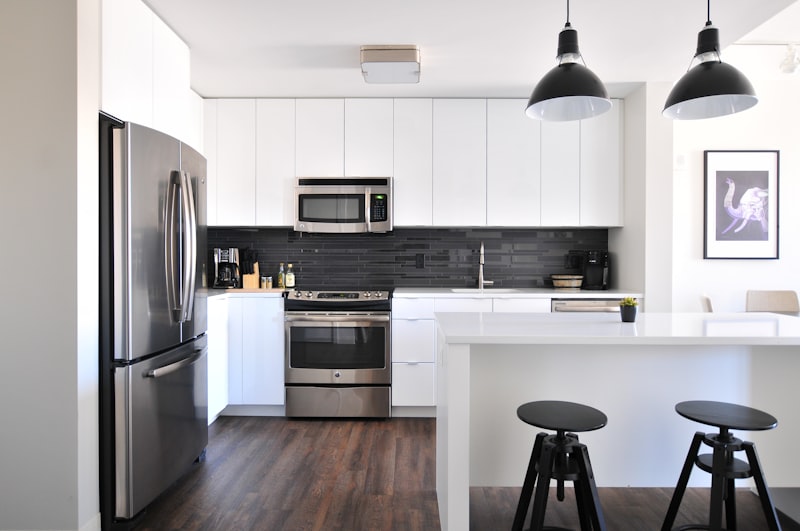
Kitchens and bathrooms remain the highest-leverage rooms in any home. A mid-range kitchen update — new benchtops, doors, splashback, sink, tapware, and appliances — typically costs 15,000 to 30,000 dollars and can add 40,000 to 60,000 dollars in valuation if the layout was already workable. Bathrooms follow a similar pattern at 12,000 to 20,000 dollars per room. Resist the temptation to relocate plumbing unless absolutely necessary; the cost of moving services rarely returns its outlay.
Kerb appeal punches well above its weight. Repainting the facade, replacing a tired front door, sharpening the landscaping, and updating fencing or letterboxes can lift perceived value by 20,000 dollars or more on an outlay under 5,000 dollars. Buyers form 80 percent of their opinion in the first 30 seconds — make those count.
Flooring is another reliable winner. Replacing worn carpet with engineered timber or quality hybrid flooring across living areas, and refreshing carpet in bedrooms, costs 8,000 to 15,000 dollars on a typical home and consistently returns 1.5 to 2 times the spend. Pair it with a full interior repaint in a neutral palette and the property will photograph and inspect dramatically better.
Energy-efficiency upgrades are increasingly priced into valuations. Solar panels, heat-pump hot water, double glazing in cold climates, and ceiling insulation top-ups now appear on bank valuation reports and influence buyer demand, especially among younger purchasers. Payback periods of 5 to 7 years on solar make these upgrades worthwhile even if you sell sooner.
The renovations that destroy value are equally predictable. Highly personalised colour schemes, swimming pools in suburbs where they are not standard, removed bedrooms (going from four to three almost always reduces value), heavy-handed period restorations on plain homes, and luxury finishes in entry-level suburbs all over-capitalise. Anything that requires explaining to a buyer is a warning sign.
Before committing, get a written valuation estimate from two local agents on both the as-is and post-renovation scenarios. Set a strict budget with a 15 percent contingency, get fixed-price quotes in writing, and avoid scope creep mid-project. Done well, a focused renovation can compress five years of capital growth into a six-month project. Done poorly, it ties up capital you may never recover.