
Burwood's Rezoning Story: What It Means for Owners and Buyers
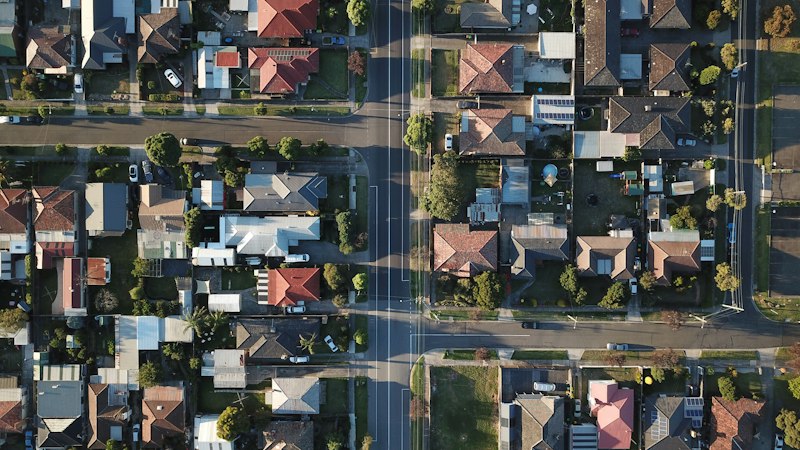
Burwood is one of the inner west's most active rezoning fronts — here's how the changes are reshaping the local market.
Burwood has become one of the most closely watched rezoning stories in metropolitan Sydney. A combination of state-government density targets, transport-oriented planning policy, and the suburb's already-substantial commercial centre has produced a planning environment in which significant uplift is being signalled across pockets of the Burwood, Burwood Heights and Croydon precincts. The market is responding accordingly.
The most direct beneficiaries have been older inter-war and post-war houses on standard 400–600 sqm blocks within proximity of the Burwood town centre and the railway line. Buyers prepared to pay a meaningful premium over established-house comparables are emerging — typically developer-aligned acquisition vehicles or long-term holders with patience for a multi-year planning timeline. The premium is not uniform; it sits squarely on blocks within rezoning catchments and on contiguous holdings that lend themselves to amalgamation.
For existing owner-occupiers in affected streets, the implications are more nuanced. Sale prices in some pockets have moved well above what comparable established-house buyers would pay, presenting a genuine windfall opportunity for owners ready to transition. For owners who intend to stay, the longer-term streetscape change — taller buildings, increased traffic, construction disruption over multiple years — is real and worth weighing against the underlying capital appreciation.
For buyers entering the area as owner-occupiers rather than as part of a development play, the practical guidance is to look one or two streets outside the active rezoning catchments, where the established-residential character is more likely to be preserved and where pricing remains more closely aligned with traditional comparable evidence. Burwood's rezoning story will play out over the better part of a decade; the suburbs that emerge from the process will look meaningfully different from the suburbs of 2020, and buyers should choose their position within that change deliberately.